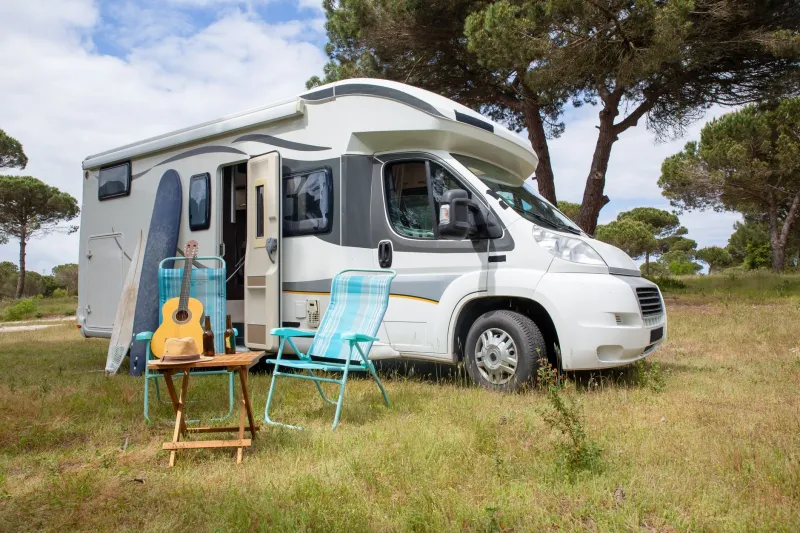
Stretch Every Dollar: Smart Money Moves for Your Next Cross-Country RV Trip
There's a common misconception that RV travel is only for people with deep pockets. The truth? With a little strategic thinking, a cross-country RV trip can actually cost less than a traditional vacation when you factor in hotels, restaurants, and flights. The key is knowing where the money leaks are — and plugging them before you hit the road.
Whether you're planning your first rental with AnyTime RV Rental or you're a returning road warrior trying to shave costs on your next adventure, these practical hacks will help you see more of America without watching your bank account suffer for it.
1. Time Your Rental to Score the Best Rates
RV rental pricing follows the same seasonal logic as flights and hotels — demand drives cost. Summer, especially late June through August, is peak season. Prices spike, availability tightens, and you'll be competing with every family in America for the same campsites.
If your schedule has any flexibility, aim for:
- Shoulder seasons (May, September, early October): Weather is still great across most of the country, crowds thin out, and rental rates drop noticeably.
- Midweek pickups: Renting from Tuesday to Tuesday rather than Friday to Friday can reduce your daily rate.
- Last-minute deals: Some platforms, including AnyTime RV Rental, offer reduced rates on vehicles with open windows. If you're spontaneous, this can pay off big.
Booking early and booking off-peak are the two fastest ways to cut your rental bill before the trip even starts.
2. Choose the Right RV Size for Your Actual Needs
Bigger isn't always better — especially when it comes to your wallet. Larger Class A motorhomes are impressive, but they guzzle fuel, require dump station hookups more frequently, and often cost significantly more per day to rent.
For a couple or a small family, a Class B campervan or a modest Class C motorhome can cover all your needs at a fraction of the price. Think honestly about how much space you'll actually use. You're going to spend most of your time outside anyway.
Talk to the team at anytimervrental.com about matching your group size to the right vehicle — they're good at finding the sweet spot between comfort and cost.
3. Ditch the Campground Hookups (Sometimes)
Full-hookup campsites at private campgrounds can run anywhere from $50 to $100+ per night. That adds up fast on a two-week trip. Here's the thing — you don't always need them.
Free and low-cost camping alternatives include:
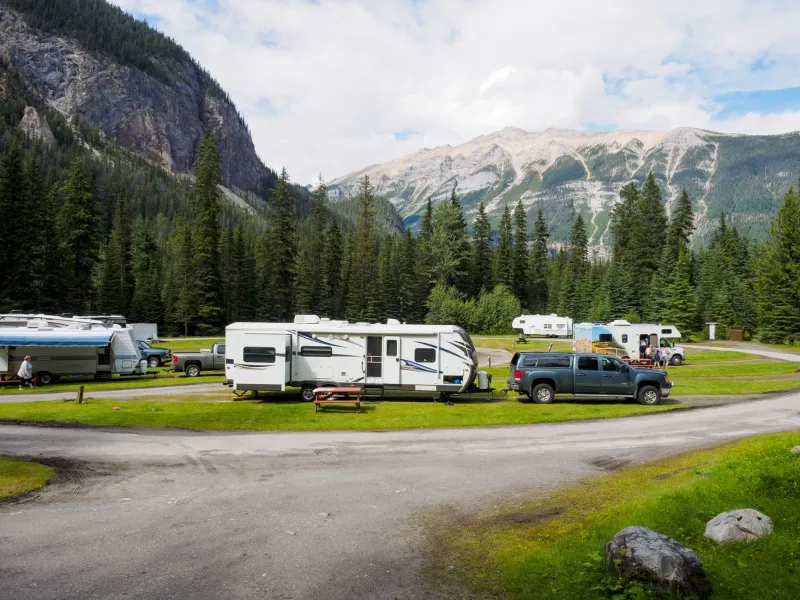
- Bureau of Land Management (BLM) land: Millions of acres across the Western US allow free dispersed camping. No reservations, no fees, no neighbors 10 feet away.
- National Forests: Similar to BLM, dispersed camping is often free within national forest boundaries. Check the specific forest's rules before pulling in.
- Harvest Hosts: An annual membership (around $99/year) gives you access to wineries, farms, breweries, and museums that allow free overnight RV parking.
- Boondockers Welcome: A community network where RV owners let other travelers park on their property for free.
- Walmart and Cracker Barrel parking lots: Not glamorous, but in a pinch, many locations allow overnight RV parking with permission from the store manager.
Apps like iOverlander, Campendium, and The Dyrt are excellent for finding free and cheap spots along your route.
4. Plan a Fuel-Efficient Route
Fuel is typically the biggest variable cost on an RV trip, and it's also one of the most controllable.
- Drive at 60–65 mph instead of 70+. Aerodynamic drag increases significantly at higher speeds, and your MPG tanks accordingly. Slowing down even slightly can save you hundreds in fuel over a long trip.
- Use GasBuddy to find the cheapest stations along your route in real time.
- Avoid mountain passes when possible. Climbing elevation destroys fuel economy. Flatter routes through the plains states cost less per mile than scenic but steep mountain corridors.
- Minimize idling. Running the generator or engine for extended periods while parked burns fuel without moving you an inch.
A rough rule of thumb: most RVs get between 8–14 MPG depending on size and load. Build that into your budget from the start so fuel costs don't blindside you.
5. Cook Almost Every Meal In the RV
This one sounds obvious, but it's where a lot of road trippers quietly blow their budget. Eating out twice a day for two weeks adds up to a staggering number — especially in tourist-heavy areas where restaurant prices are inflated.
Your RV comes with a full kitchen. Use it.
Practical meal planning tips:
- Do a big grocery run before departure at a warehouse store like Costco or Sam's Club.
- Plan meals around versatile staples: pasta, rice, eggs, canned beans, and frozen proteins.
- Prep ingredients in advance so camp cooking feels easy rather than like a chore.
- Save restaurant meals for one or two special stops — a local BBQ joint in Tennessee or a seafood shack in Maine — rather than every day.
You'll eat better, waste less, and keep that money where it belongs: in your pocket.
6. Watch Out for Hidden Costs
A few sneaky expenses catch first-time RV renters off guard. Know about them ahead of time:
- Generator fees: Some rentals charge per hour of generator use. Ask upfront and plan to rely on shore power at campgrounds or solar when possible.
- Mileage overages: Check your rental agreement for mileage caps. Going over can add up quickly on a long trip.
- Dump station fees: Typically $10–$20 per use at campgrounds. Factor this in if you're boondocking frequently.
- Campsite reservation fees: Sites in national parks often require advance booking through recreation.gov, sometimes with a small transaction fee.
- Propane refills: Budget roughly $20–$40 per refill depending on tank size and frequency of cooking and heating.
None of these are dealbreakers — they're just easier to manage when you see them coming.
7. Get a National Parks Pass
If your route touches multiple national parks (and it probably should — they're stunning), the America the Beautiful Annual Pass is one of the best $80 purchases you'll make. It covers entrance fees at all national parks and federal recreational lands for a full year. A single visit to a park like Yellowstone or Grand Canyon costs $35 per vehicle — so this pass pays for itself in three stops.
The Bottom Line
A cross-country RV road trip doesn't require a trust fund. It requires a plan. By timing your rental smartly, embracing free camping, cooking your own meals, and staying aware of the costs that catch people off guard, you can experience an unforgettable slice of America without financial regret on the other side.
Ready to start mapping it out? Head to anytimervrental.com to browse available rigs, compare rates, and get on the road. The open highway is out there — and it's more affordable than you think.