Rain, Snow, or Shine: How Smart RV Renters Handle Whatever the Sky Throws at Them
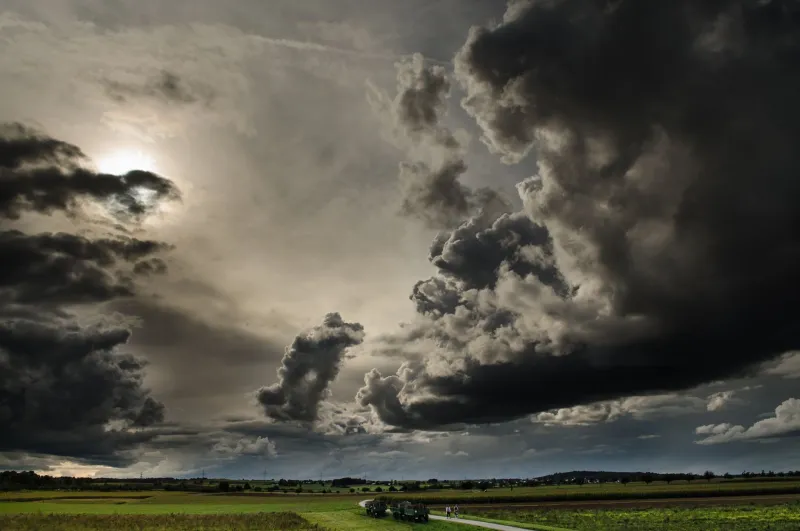
The Weather Question Every RV Renter Eventually Faces
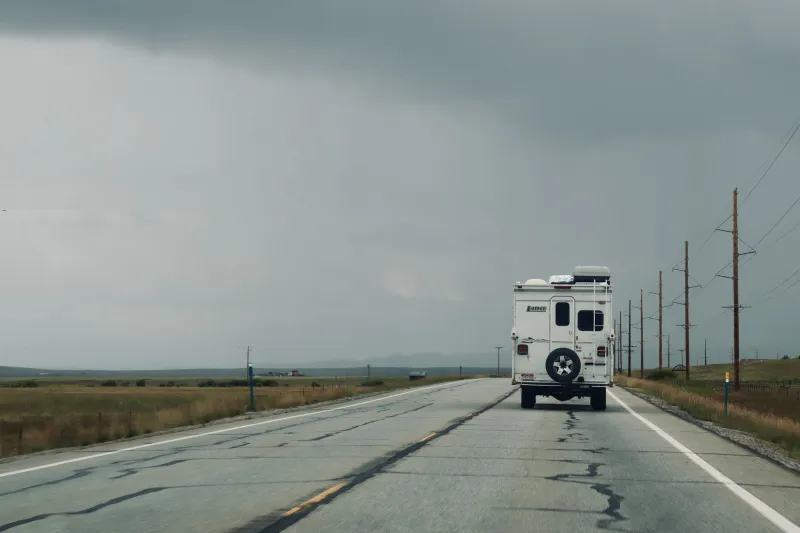
You've booked your rig, mapped your route, and stocked the fridge. Then you check the forecast and your stomach drops. A storm system is rolling in. Maybe it's a late-season cold snap in the Rockies. Maybe it's a tropical disturbance eyeing the Gulf Coast. Or maybe it's just a week of rain that's making you second-guess everything.
Here's the truth: weather is the one variable in RV travel that nobody can fully control — but smart renters absolutely can manage it. Knowing when to push forward, when to pivot, and when to pull the plug is a skill. And like most skills, it gets easier once you have the right framework.
Know Your Region Before You Roll
The US is a massive, climatically diverse country, and the weather risks you'll face in the Florida Panhandle in August are completely different from what you'd encounter in the Pacific Northwest in November. Before you finalize any route, spend time understanding the seasonal weather personality of the region you're headed into.
The Southeast and Gulf Coast are prime RV country for most of the year — until hurricane season runs from June through November. Peak threat windows are typically August through October. If you're renting during those months and heading toward coastal areas in Texas, Louisiana, Florida, or the Carolinas, you need a hurricane contingency plan. That means knowing your exit route, having flexible campground bookings, and watching the National Hurricane Center closely.
The Southwest deals in extremes. Phoenix in July can hit 115°F, and driving an RV in that heat puts real stress on the engine, tires, and cooling systems. Flash floods are also a serious hazard in desert regions — particularly in slot canyon areas of Utah and Arizona. A dry wash can turn violent in minutes even when the rain is miles away.
The Mountain West serves up late-season snowstorms that catch travelers off guard well into May and even early June at elevation. If you're heading toward Yellowstone, the Colorado Rockies, or the Sierra Nevada, check passes and elevation-specific forecasts, not just the valley temps.
The Midwest and Plains bring tornado season into the picture from spring through early summer. This doesn't mean you should skip the region, but it does mean you should know how to find shelter fast if sirens go off — and spoiler: an RV is not a safe shelter in a tornado.
The Pacific Northwest is famously rainy from October through May. Rain alone rarely warrants cancellation, but it does mean you should be prepared for muddy campgrounds, reduced visibility, and the occasional road closure from landslides or flooding.
The Go/No-Go Decision Framework
So how do you actually decide? Here's a simple mental model to work through:
Is there an active watch or warning for your destination? A tornado warning, flash flood warning, or hurricane watch is a hard stop. These are not situations to drive into. A watch (meaning conditions are favorable for severe weather) warrants serious monitoring and a flexible itinerary. A warning (meaning the event is imminent or occurring) means you don't go.
Is the hazard localized or widespread? A thunderstorm rolling through your campground Tuesday afternoon is very different from a multi-day severe weather event. If you can reasonably wait it out or reroute, that's often the better call than canceling entirely.
Does the weather affect driving conditions specifically? Icy mountain passes, flooded roads, and dense fog are different animals than a rainy campsite. Always prioritize safe driving above everything else. Check 511 road condition lines for the states you're passing through — they're free and genuinely useful.
What's your experience level? A seasoned RV traveler who's handled slippery roads before has more margin to navigate borderline conditions than a first-timer. Be honest with yourself here.
What Your Rental Agreement Actually Covers
Before you make any weather-related cancellation, read your rental agreement carefully. Most RV rental companies — including platforms like AnyTime RV Rental — have specific policies around cancellations and weather events. Some key things to look for:
- Force majeure clauses: These typically cover declared natural disasters and may allow penalty-free cancellations when government emergency orders are in place.
- Cancellation windows: Many rentals offer full or partial refunds if you cancel 7 to 14 days out. Last-minute cancellations due to weather often fall outside those windows.
- Travel protection add-ons: If you're renting during a high-risk weather season, seriously consider purchasing trip protection insurance. It can cover non-refundable costs if you need to cancel due to severe weather.
Call the rental company directly if you're unsure. Most are reasonable when the weather situation is genuinely dangerous — and a quick conversation is always better than a dispute after the fact.
Practical Gear and Prep Strategies
For the many weather situations that fall into the "manageable" category, preparation makes all the difference. Here's what experienced road trippers keep in their corner:
Download the right apps. Weather Underground and the official NOAA Weather app give you hyperlocal forecasts. MyRadar is excellent for watching storm cells move in real time. These are free and worth having on your phone before you leave the driveway.
Pack for the unexpected layer. Even summer trips can turn cold at elevation or in the desert at night. A few extra blankets, a packable rain jacket, and waterproof footwear take up almost no space and have saved countless trips.
Know your campground's storm protocol. When you check in, ask where the nearest hard shelter is. Many campgrounds have bathhouses or community buildings that serve as storm shelters. Find it before you need it.
Keep your tank levels smart. In severe weather, you may need to stay put for an extra day or two. Don't let yourself get caught with a nearly empty fresh water tank or a full black tank when you're stuck.
Have a backup campground list. If your planned site is directly in a storm's path, know your nearest alternatives. Having two or three backup options bookmarked takes five minutes and buys you serious peace of mind.
When Canceling Is Absolutely the Right Call
There's no shame in pulling out of a trip when the situation is genuinely dangerous. An RV is a home on wheels, but it's also a large, wind-catching, top-heavy vehicle that does not perform well in extreme conditions. Hurricanes, ice storms, tornadoes, and major flash flood events are not situations to test your luck in.
The goal of any trip is to come home with great memories — not to prove a point to a storm system. If conditions are serious enough that emergency management officials are telling people to stay off the roads, listen to them.
The road will still be there when the weather clears. And honestly? Rescheduling a trip is way easier than it sounds. Most rental platforms can work with you to find alternate dates, and a rebooked adventure often turns out better than the original.
The Bottom Line
Weather doesn't have to be the villain in your RV story. With a little regional knowledge, a clear decision framework, and some practical prep work, you can handle most of what the sky throws at you — and know with confidence when it's smarter to wait. Stay flexible, stay informed, and keep the adventure going on your terms.