White-Knuckle Roads and Wide-Open Skies: How to Drive America's Toughest RV Routes Like a Pro
Let's be honest: part of the appeal of renting an RV is the freedom to go places a hotel vacation never could. Remote mountain meadows. Desert canyons. Coastal cliffs with views that make your phone wallpaper look boring. But that freedom comes with a catch — some of those incredible destinations sit at the end of roads that'll test every ounce of your driving confidence.
The good news? Thousands of RV renters tackle these routes every year and come home with nothing but great stories. The difference between a harrowing experience and a triumphant one almost always comes down to preparation. Here's what you actually need to know before you point that rental rig toward America's most challenging terrain.
Mountain Passes: Respect the Grade
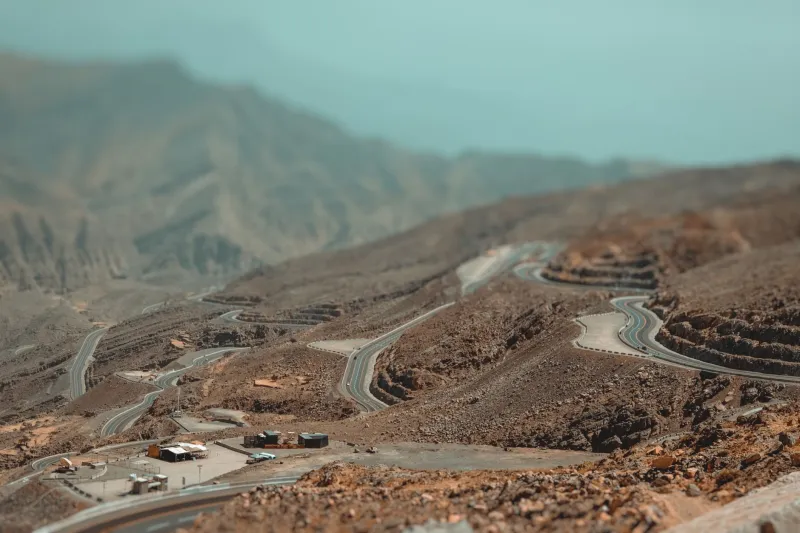
If you've never driven a large vehicle over a high mountain pass, the first thing to understand is that your engine and your brakes are working harder than they ever do on flat ground — often at the same time.
On the way up, the climb can push your engine temperature into the danger zone, especially in summer. Keep an eye on your temperature gauge and don't be too proud to pull into a turnout and let things cool down. Overheating is a real issue on long grades, and ignoring the warning signs can turn a minor inconvenience into a trip-ending breakdown.
The descent is where most RV drivers get into trouble. Riding your brakes down a steep grade can cause brake fade — a condition where your brakes overheat and lose effectiveness. Instead, downshift to a lower gear before you start the descent and let engine braking do most of the work. This is especially important in Class A and Class C motorhomes, which can tip the scales at 15,000 to 30,000 pounds fully loaded.
Routes like US-550 through Colorado's Million Dollar Highway or California's Tioga Pass Road are stunning but unforgiving. Both have narrow lanes, steep drop-offs, and limited guardrails. If you're new to mountain driving, practice in a less dramatic setting first.
Pro tip: Check the RV's listed height and weight limits before booking any mountain route. Some passes have weight restrictions, and tunnels on routes like the Going-to-the-Sun Road in Montana have strict length and height limits that will turn you around cold.
Desert Heat: Your RV's Silent Enemy
Driving through the Mojave, the Sonoran, or the Great Basin in July feels epic right up until something goes wrong. Desert heat isn't just uncomfortable — it's mechanically aggressive. Tires can blow on superheated asphalt. Coolant systems get pushed to their limits. And if you break down between towns that are 80 miles apart, you'll wish you'd planned more carefully.
Before any desert crossing, check your tire pressure in the morning before the day heats up. Tires expand as they warm, so you want to start within the recommended range, not at the upper limit. Also verify that your coolant level is topped off and that the radiator is clean.
Timing matters enormously in the desert. Try to drive the most exposed stretches in the early morning or late afternoon. Not only is it cooler, but you'll also avoid the brutal midday glare that makes reading the road harder than it should be.
Keep water — a lot of it — in the RV at all times. We're talking gallons, not bottles. Cell service in desert stretches can be spotty or nonexistent, so a roadside emergency kit, a paper map, and a basic sense of the nearest towns are non-negotiables.
Narrow Forest Roads: Slow Is the Only Speed That Counts
National forest roads are some of the most beautiful driving in the country. They're also some of the most punishing for rental RVs. We're talking one-lane dirt roads with no guardrails, blind corners, and the constant possibility of meeting a logging truck or a family in a Subaru coming the other direction.
Before you turn off the pavement, do your homework. The USDA Forest Service road classification system rates roads by the type of vehicle they can handle. A road rated for passenger cars is a very different animal than one rated for high-clearance 4WD — and most RVs belong on neither.
If you're determined to access a campsite via a forest road, measure your rental's length, width, and ground clearance, then cross-reference with the road's specs. Apps like iOverlander and Campendium have user-submitted notes about road conditions that are often more current and honest than official sources.
And if you get to a point on a forest road where things start looking sketchy? Back out. Seriously. The campsite isn't worth it. The best RV travelers know when to turn around, and that instinct is something you should trust.
High-Wind Corridors: When the Air Fights Back
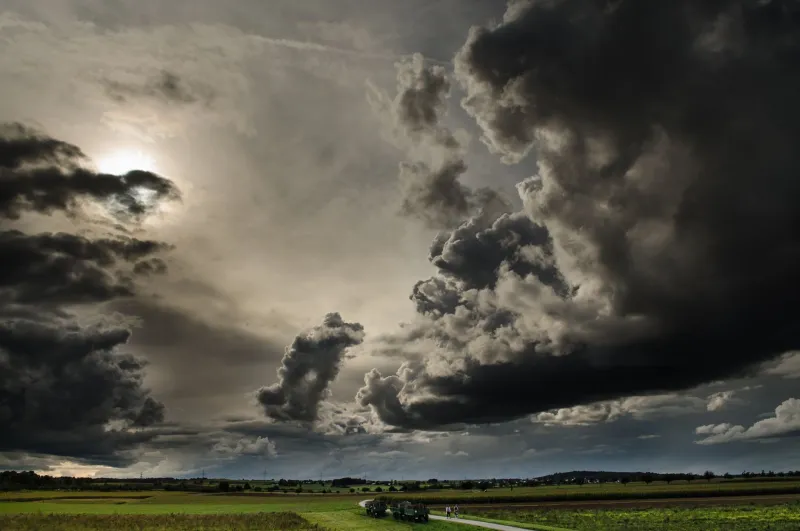
Wyoming. West Texas. Eastern Oregon. The Columbia River Gorge. These are places where wind isn't a weather event — it's a permanent condition. And in a vehicle with the aerodynamic profile of a moving billboard, sustained winds and sudden gusts can be genuinely dangerous.
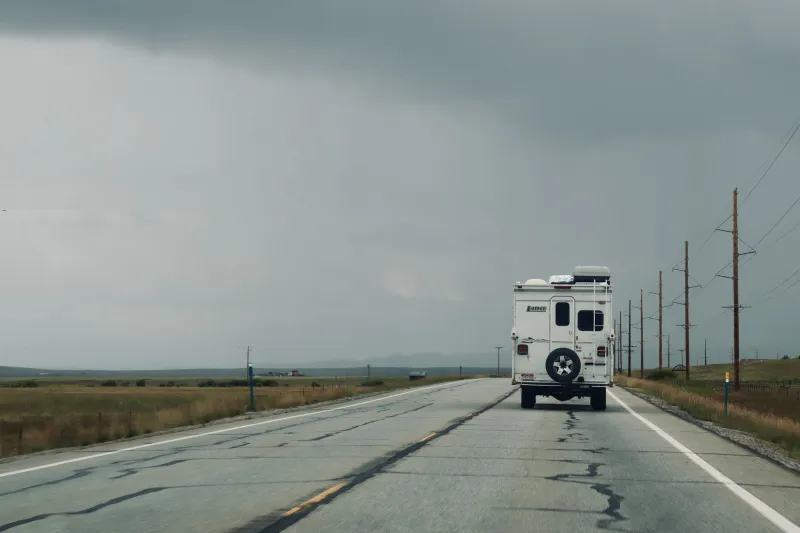
High-profile RVs are vulnerable to crosswinds in ways that sedans and SUVs simply aren't. A strong gust hitting the broadside of a Class A motorhome can push you out of your lane with alarming speed. The fix is to slow down — significantly. Most experienced RV drivers throttle back to 55 mph or less in windy conditions, giving themselves more reaction time and reducing the surface pressure the wind can exploit.
Keep both hands firmly on the wheel and anticipate gusts when passing through gaps in terrain like canyon mouths, overpasses, or open plains after a stretch of trees. Wind advisories are issued for a reason, and if the National Weather Service is flagging high winds along your route, consider delaying a day or rerouting.
Some rental agreements also have wind speed clauses — worth checking before you push through a storm in the name of staying on schedule.
The Mindset That Makes All the Difference
Here's the thing experienced RV renters will tell you: the road doesn't care about your itinerary. The most common mistake newer drivers make isn't a technical one — it's psychological. They've committed to a plan and they push through conditions or situations that every instinct is telling them to avoid.
Give yourself extra time on challenging routes. Build in buffer days. Know your exit options before you need them. And never underestimate how much a good night's sleep affects your ability to handle a big vehicle on a demanding road.
The routes that scare people a little are often the ones that deliver the most memorable trips. With the right preparation, the right rental rig from AnyTime RV Rental, and a healthy respect for the road ahead, you'll be trading stories around the campfire — not calling for roadside assistance.
Your adventure starts here. Just make sure you're ready for the road it takes to get there.