Driving After Dark: The RV Renter's Honest Guide to Surviving a Night Behind the Wheel
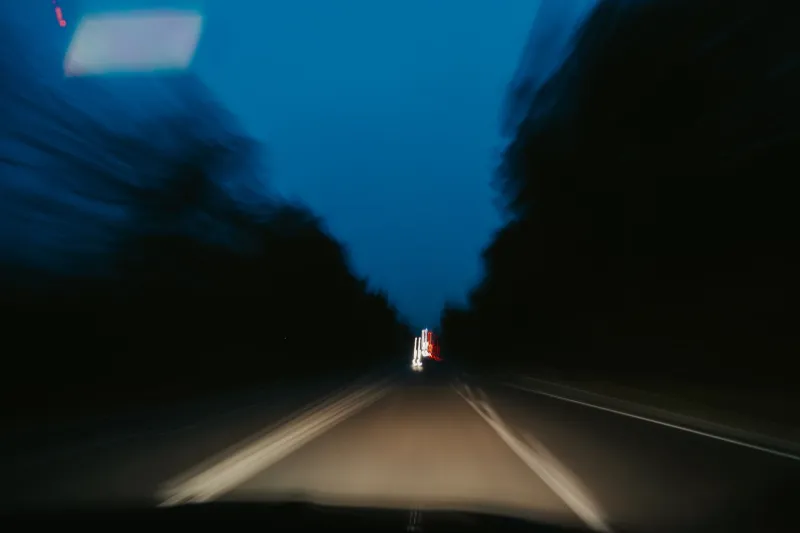
It usually starts innocently enough. You left later than planned, the campground is still four hours away, and the sun dipped below the horizon about thirty miles back. Suddenly you're piloting a 30-foot rental RV down an unfamiliar highway in the dark, wondering how this became your evening.
Night driving in an RV isn't inherently dangerous — but it does demand a completely different level of attention than cruising the same route in daylight. The stakes are higher, the margin for error is slimmer, and fatigue works against you faster than you'd expect. So if you're going to do it, do it smart.
Why Night Driving in an RV Hits Different
Driving a large vehicle after dark isn't just about reduced visibility — though that's a big part of it. Your depth perception degrades, road edges get harder to read, and the visual cues you rely on to judge turns, dips, and lane widths simply aren't as crisp. Add in the fact that most people's circadian rhythms are winding down after 10 p.m., and you've got a recipe for the kind of slow, creeping fatigue that sneaks up on you before you even notice it.
RVs also have longer stopping distances, higher centers of gravity, and wider profiles than the average car. All of that matters more when you're reacting to a deer that just appeared in your headlights or a construction zone that wasn't on the map.
None of this means you should panic. It means you should prepare.
Before You Even Start the Engine: Night-Specific Pre-Trip Checks
If you know you're going to be driving after dark, add these to your pre-departure walkthrough:
Headlights and running lights. Walk the entire rig and confirm every exterior light is working. This sounds obvious, but it's the kind of thing that gets skipped during a rushed afternoon departure. Tail lights, brake lights, turn signals — check them all.
Mirrors. Adjust both side mirrors specifically for night conditions before you pull out. You want maximum field of view. If your rental has a rear-view camera, make sure the display brightness is set for night — too bright and it'll wash out your vision; too dim and it's useless.
Wiper blades and windshield clarity. Nighttime glare from oncoming headlights is dramatically worse on a dirty or streaky windshield. Clean it before you leave. Check that your washer fluid is topped off.
Fuel. Don't assume you'll find a truck stop at midnight. Top off the tank before dark if at all possible. Gas stations that can accommodate a large RV are harder to find and harder to navigate in the dark.
Route Planning for After-Dark Miles
Not all roads are created equal at night. A gorgeous two-lane scenic byway that felt like a dream during the day can become a white-knuckle experience after sunset — no shoulder, no guardrails, wildlife everywhere.
When you're planning a night driving stretch:
- Stick to interstates and major highways when possible. Better lighting, wider lanes, more predictable traffic patterns, and easier access to rest stops.
- Identify rest areas and truck stops in advance. Know where you can pull over if you need to. Apps like iOverlander, Trucker Path, or even Google Maps can help you locate large-vehicle-friendly stops along your route.
- Avoid mountain passes and canyon roads after dark unless you know them well. Steep grades and tight switchbacks are challenging enough in daylight.
- Check for construction zones. State DOT websites often list active nighttime construction. Lane shifts and reduced speeds in construction zones require extra focus you may not have at 2 a.m.
Managing Fatigue: The Part Nobody Wants to Talk About
Here's the uncomfortable truth: most people are worse at detecting their own fatigue than they think. You might feel fine right up until you're not. That's the danger.
Set hard rules before you leave:
No more than two hours at a stretch. Even if you feel great, pull over. Walk around the rig. Get your blood moving. Drink water. Fatigue isn't just about sleepiness — it's about sustained attention, and that erodes faster than you realize.
Caffeine has limits. Coffee and energy drinks can buy you time, but they don't replace sleep. They also wear off suddenly and can leave you worse off than before. Don't rely on them as your primary fatigue strategy.
Know your personal warning signs. Drifting thoughts, yawning every few minutes, trouble reading signs, micro-corrections on the wheel — these are tells. If you notice them, don't negotiate with yourself. Pull over.
The 24-hour rule. If you've been awake for more than 18 hours, you should not be driving an RV. Studies consistently show that level of sleep deprivation impairs reaction time comparably to a blood alcohol level above the legal limit. That's not a risk worth taking with a vehicle this size.
Driving in Shifts: Making It Work With a Travel Partner
If you're traveling with someone else who's licensed and comfortable behind the wheel, shift driving is your best friend for long overnight stretches.
The key is planning the rotation before you're both exhausted and making bad decisions. Agree on shift lengths — two to three hours is usually the sweet spot — and decide who drives first based on who's most rested at departure.
The off-duty driver should actually sleep, not just recline and scroll their phone. Every hour of real rest your co-pilot gets translates directly into a safer, sharper shift when it's their turn. If the RV has a comfortable sleeping area accessible from the cab area, use it. If not, a reclined passenger seat works — just make sure they're buckled.
Build in a proper handoff. Don't just pull over and swap seats at 70 mph (metaphorically speaking). Stop somewhere safe, let the incoming driver walk around, get oriented, check mirrors, and feel settled before pulling back onto the highway.
If You're Solo: Know When to Stop
Driving solo at night in an RV is doable — but it requires even more discipline. Without a co-pilot to keep you honest, you have to be your own safety net.
Plan shorter overnight stretches if you're alone. Four to five hours maximum, and only if you're well-rested going in. Walmart parking lots, rest areas, and 24-hour truck stops are all legitimate options for catching a few hours of sleep mid-route. It's not glamorous, but it beats the alternative.
Set a phone alarm as a hard stop time. If you haven't reached your destination by a certain hour, you park and sleep — no exceptions, no negotiations.
One More Thing Before You Hit the Road After Dark
Night driving isn't something to be ashamed of or to pretend you have perfectly figured out. Even experienced RV travelers get it wrong sometimes. The goal isn't perfection — it's honesty about your limits and preparation that matches the reality of driving a large vehicle through the dark.
Plan your route, check your lights, set your shift schedule, and give yourself permission to stop when your body says it's time. The campsite will still be there in the morning. You just need to get there safely.