Stop Treating Your RV Trip Like a Race: How to Pace Yourself So the Journey Actually Means Something
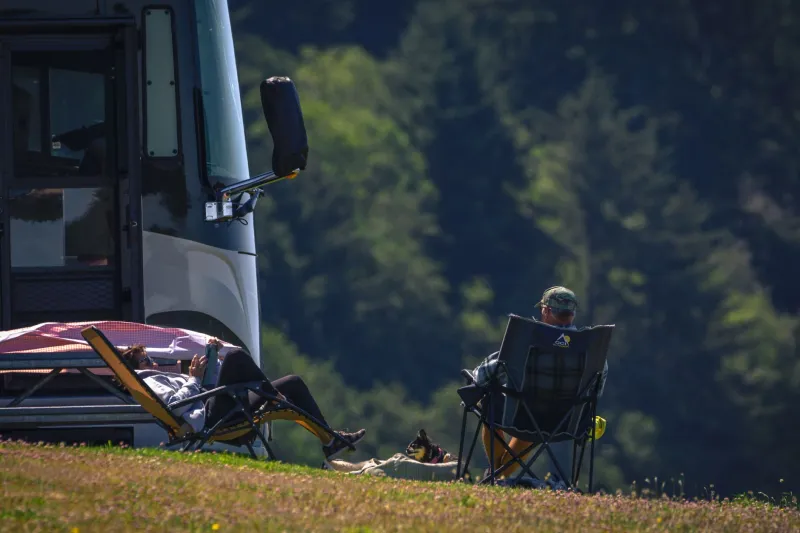
There's a version of an RV trip that looks great on paper. You've got 14 nights, a solid route mapped out, reservations at beautiful campgrounds, and a list of can't-miss stops. Then somewhere around day four — after three long driving days, a rushed hike, and a dinner you barely tasted because you were too tired to cook — you realize you've been executing a logistics plan, not living a vacation.
This is one of the most common traps RV travelers fall into, and it's completely fixable. The key isn't choosing between total freedom and rigid structure. It's finding the sweet spot between the two — a rhythm that keeps you moving forward without making you feel like you're always behind.
Why RV Renters Tend to Over-Schedule
It makes sense when you think about it. You've spent real money on a rental, taken time off work, and driven a long way from home. Every idle day starts to feel like a waste of the investment. So you pack in more stops, longer drives, and busier itineraries than you'd ever attempt on a regular vacation.
But here's the honest truth: an RV trip is not a theme park with a ticket you need to maximize. The vehicle itself is part of the experience. The campfire, the slow morning coffee, the afternoon you didn't plan anything — those moments are often what people remember most.
Over-scheduling doesn't just lead to burnout. It also closes the door on the spontaneous discoveries that make road trips legendary. You can't take that unexpected detour to a roadside diner or spend an extra night at a breathtaking canyon if you've already committed every hour to something else.
Know Your Travel Personality Before You Hit the Road
Not everyone experiences road trips the same way, and that's a good thing. Before you start building your schedule, be honest about what kind of traveler you actually are.
The Nomadic Wanderer thrives on movement. You get restless after two nights in the same spot, love waking up somewhere new, and find the drive itself deeply satisfying. If this is you, build shorter stays into your plan — one or two nights per location — and leave a few unscheduled days where you can follow your nose. Just make sure you're not confusing movement with progress. Covering miles isn't the same as experiencing a place.
The Base-Camp Explorer prefers to park the RV and go deep into a single area. You'd rather spend four days exploring one national park than checking off four parks in four days. If this sounds familiar, plan for longer stays — three to five nights per location — and focus your research on what's within driving distance of each campground. This style is also easier on your nerves if you're new to driving a larger vehicle.
The Hybrid Traveler is probably the most common type. You want a mix of movement and stillness, and your ideal schedule alternates between active travel days and slower, more exploratory stretches. A good rule of thumb: for every two or three nights you spend moving, plan one night where you commit to going nowhere.
The Two-Night Minimum Rule
Regardless of your travel style, experienced RV renters swear by one simple guideline: never stay somewhere for just one night unless you absolutely have to.
Here's why. The first night at any campground is almost always about logistics — setting up, figuring out your surroundings, and recovering from the drive. You don't really start to feel a place until the second morning, when you wake up without the pressure of arrival behind you. One-night stops are fine as a practical necessity, but if a destination is worth going to, it's worth staying at long enough to actually see it.
Build Your Schedule Around Anchors, Not Attractions
Instead of creating a day-by-day itinerary packed with specific activities, try building your trip around two or three anchor destinations — the places you genuinely can't miss — and leaving the rest flexible.
For example, if you're doing a Southwest road trip, your anchors might be the Grand Canyon's South Rim, Sedona, and White Sands National Monument. Book those campgrounds in advance, especially in peak season. Then let the roads between them breathe. You might end up spending an unexpected afternoon at Petrified Forest National Park or stumbling onto a small-town festival in New Mexico that becomes the highlight of the whole trip.
This approach also reduces the mental load of constant decision-making. When you know where you're sleeping for the next two nights, you can actually relax and enjoy where you are right now.
Driving Days vs. Exploring Days: Don't Let Them Blur Together
One of the biggest pacing mistakes travelers make is treating every day as both a driving day and an exploring day. That's how you end up pulling into a campground at 6 p.m., exhausted, with just enough energy to eat and sleep before doing it all again tomorrow.
Try to separate the two. Designate certain days as pure travel days — you're just getting from Point A to Point B, and that's the whole job. On those days, keep driving under four or five hours, stop for a good lunch somewhere interesting, and give yourself permission to arrive and do nothing else. Then let your exploring days be genuinely free. No major driving, no pressure to keep moving.
This distinction alone can transform the energy of a trip.
Listen to the Group — and the Road
If you're traveling with family or a partner, check in regularly. Road trip fatigue is real, and it doesn't always announce itself clearly. A kid who's suddenly cranky or a travel partner who's gone quiet might just need a rest day, not another scenic overlook.
The same goes for the trip itself. If you arrive somewhere and it's more beautiful than you expected, stay longer. If a campground isn't working for you, move on earlier than planned. You're in a self-contained home on wheels. That flexibility is literally the point.
Your Rental Investment Is Best Spent Present, Not Productive
Here's the reframe that changes everything: the best return on your RV rental isn't measured in miles covered or attractions visited. It's measured in how fully you showed up for the experience.
A week where you drove less, stayed longer in two places, and had one genuinely unhurried afternoon will almost always feel richer than a week where you hit eight destinations and barely remember any of them.
Pace yourself. Build in the slow mornings. Leave room for the detour you didn't plan. That's not wasting your rental — that's finally using it right.