Don't Drive Away Dumb: How to Inspect Your RV Rental Like a Pro Before You Leave the Lot
Here's a scene that plays out more often than rental companies would like to admit: a first-time renter gets excited, rushes through the walkthrough, signs the paperwork, and drives off into the sunset. Two weeks later, they're fighting over a scratch that was already there when they picked up the rig. Sound fun? Didn't think so.
The pre-rental inspection isn't glamorous. It's not the part of the trip you'll post about on Instagram. But spending 45 minutes being thorough before you leave the lot can save you hundreds of dollars — and a whole lot of headaches — when you return the keys. Here's how to do it right.
Set the Right Mindset Before You Start
First things first: you are not trying to catch the rental company doing something shady. Most are running legitimate operations and want you to have a great trip. What you are doing is creating a shared record of the vehicle's condition so there's no ambiguity when the rig comes back. Think of it less like an interrogation and more like a mutual CYA.
Bring your phone fully charged. You're going to take a lot of photos and maybe some video. Also give yourself enough time — don't schedule your pickup an hour before you want to hit the highway. Budget at least 45 minutes to an hour for a thorough walkthrough, especially if this is your first rental.
Start Outside: Walk the Full Perimeter
Begin with a slow, deliberate walk around the entire exterior. You're looking for dents, scrapes, cracks, and stress marks — but you're also noting their location precisely. Don't just say "scratch on the left side." Say "six-inch scratch on the driver's side rear panel, approximately two feet above the wheel well." Specificity matters.
Pay extra attention to:
- The roof edges and corners — these take a beating from low-hanging branches and are common sites for unreported damage
- The undercarriage — crouch down and look for anything dragging, cracked, or visibly damaged
- The tires — check tread depth on all tires, including the spare. Uneven wear can signal alignment issues. Look for sidewall cracking or bulges
- Slide-outs — if the RV has them, make sure the seals look intact and there's no visible warping or rust at the edges
- Lights and signals — ask the rental agent to help you confirm all exterior lights work, including brake lights and turn signals
- The hitch and tow connections — if you're renting a towable, inspect the hitch, safety chains, and electrical connector carefully
Photograph everything, even stuff that looks fine. A wide shot, then a close-up. Date stamps on your photos are gold if a dispute comes up later.
Move Inside: What Good Looks Like vs. What's a Real Problem
Normal wear-and-tear is part of renting a vehicle that's been used by dozens of families before you. Minor scuffs on cabinet doors, small stains on upholstery, a little fading — that's life. What you're flagging is functional damage: things that are broken, missing, or likely to cause problems on the road.
Kitchen and appliances: Turn on the stove burners. Run the microwave for 30 seconds. Open the refrigerator and make sure it's actually cold (or cooling, if it was just turned on). Check cabinet latches — they should snap shut firmly so nothing flies open while you're driving.
Bathroom: Flush the toilet. Run the sink. Test the shower. Look under the sink for any signs of moisture or previous leaks. A musty smell in the bathroom or bedroom area can indicate a water issue that's been around a while.
Electrical: Flip every light switch. Test the outlets with your phone charger. Check the air conditioning and heat — both of them, even if it's 70 degrees outside. The last thing you want is to discover the AC is dead when you're parked in the Arizona desert.
Slide-outs (from the inside): If applicable, run the slides in and out at least once. Listen for grinding or hesitation. Make sure the seals close cleanly.
Windows and doors: Every window should open, close, and lock. Every door — including storage compartments on the exterior — should latch and lock properly.
The Documentation Strategy That Actually Protects You
Here's where a lot of renters drop the ball: they take photos but don't do anything useful with them. Do this instead:
- Email yourself the photos immediately — this creates a timestamped record that's hard to dispute
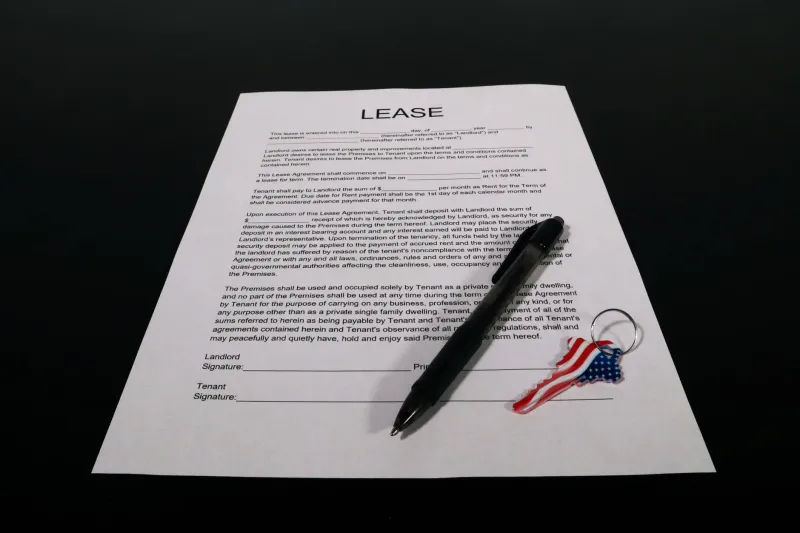
- Ask the rental agent to sign off on any pre-existing damage — most reputable companies have a damage disclosure form; make sure everything you found is on it
- Get a copy of the signed condition report — don't leave without it
- Take a short video walkthrough — narrate as you go, noting the date and your name. This takes five minutes and is extremely useful if anything comes up later
If the rental agent seems annoyed by your thoroughness, that's actually a good sign that you're doing it right. A company that discourages documentation is one worth being extra careful with.
What You Can Reasonably Let Go
Not every imperfection is worth a battle. Minor surface scratches that are already documented, small stains that have clearly been there for years, a slightly worn driver's seat — these are cosmetic realities of a rental vehicle with miles on it. If it's documented and noted on the condition report, it's not your problem.
What you should never let go:
- Any damage that isn't on the official condition report
- Mechanical issues that could affect safety (tire condition, brakes, engine warning lights)
- Water damage or mold — this can be a health issue and a liability nightmare
- Missing equipment that was listed as included in your rental (generator, hoses, leveling blocks, etc.)
Before You Turn the Key
Take one final pass through the checklist. Confirm you have all the documentation you need. Make sure you understand how to operate the key systems — the rental agent should walk you through waste tank management, water hookups, and generator use before you leave. If they don't offer, ask. That's not being difficult; that's being smart.
Your trip is about open roads, great campgrounds, and making memories. A solid pre-departure inspection is what makes sure you can actually focus on all of that — instead of spending the last night of your vacation stressing about your deposit. Take the time. Do it right. Then go have the trip you planned.