Read Before You Sign: The RV Rental Fees That'll Blindside You at Checkout
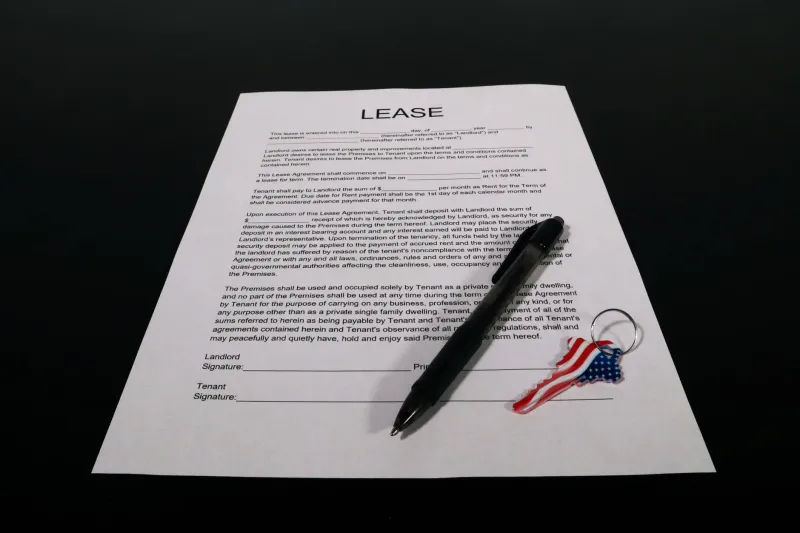
You found the perfect rig. You locked in your dates. You're already mentally parked at a campsite somewhere beautiful, cold drink in hand. Then the rental agreement lands in your inbox and it's... a lot. Pages of fine print, tables of fees, and a list of charges that somehow didn't come up when you were browsing listings.
Welcome to the part of RV renting that nobody puts in the brochure.
The good news? None of this is designed to trap you — most of it is just poorly explained. Once you know what to look for, you can budget accurately, ask the right questions, and avoid the kind of checkout shock that turns a great trip into a sour memory. Let's walk through the charges that catch renters off guard most often.
The Nightly Rate Is Just the Starting Point
That headline price you see on a listing? Think of it the way you'd think of an airline base fare — technically accurate, but not what you're actually going to pay. Before you even factor in your own behavior on the road, there are fees baked into most agreements that apply to every single rental.
Cleaning fees are nearly universal. They typically range from $100 to $300 depending on the vehicle size, and they cover the post-trip detail job. Some companies waive this if you return the RV in a genuinely clean condition; others charge it regardless. Read the fine print carefully. If there's any ambiguity, ask before you book.
Prep or service fees are another line item you'll see on many agreements. This covers sanitizing the water system, checking fluid levels, and generally getting the rig road-ready before your trip. It's a legitimate charge — it just surprises people who assumed it was included in the nightly rate.
Taxes and surcharges can add 10–20% on top of your subtotal depending on the state you're renting in. Some states treat RV rentals similarly to car rentals for tax purposes. Others don't. Either way, it adds up fast on a week-long trip.
Mileage: The Fee That Grows as You Drive
This one catches more renters off guard than almost anything else. Most RV rental agreements include a daily mileage allowance — commonly somewhere between 100 and 150 miles per day — and charge a per-mile fee for everything beyond that. Overage rates typically land between $0.25 and $0.45 per mile, which sounds modest until you realize you've driven 400 miles over your limit.
Do the math before your trip. Seriously — pull up your planned route in Google Maps, add up the driving miles, and compare that number against your allowance. If you're planning a genuine cross-country run, look for agreements that offer unlimited mileage packages. They cost more upfront but can save you significantly on the back end.
Also worth noting: some renters underestimate how much they'll deviate from their planned route once they're actually on the road. Detours happen. Build in a buffer.
Generator Hours: The Charge That Runs While You Sleep
If you're planning to camp off-grid — meaning no electrical hookup at a campsite — you're going to be running the onboard generator. That generator has a usage meter, and most rental agreements charge by the hour once you exceed a daily allowance. Typical rates run $3 to $5 per hour, with a daily free allowance of around two to four hours.
Run the generator all night for air conditioning in August? That could easily add $25–$40 per night to your bill. Over a two-week trip, you're looking at a real number.
The workaround is straightforward: stay at campgrounds with electrical hookups when you can, use the generator strategically for cooking and charging rather than overnight climate control, and bring a good set of fans for sleeping. Some renters also look into solar-equipped rigs, which can dramatically reduce generator dependency.
Insurance and Protection Plans: Necessary, But Understand What You're Buying
Every reputable rental company requires some form of insurance or damage protection. What varies is how that protection is structured and what it actually covers.
Basic liability coverage is usually included or required. Beyond that, you'll typically be offered options that cover physical damage to the vehicle, with deductibles ranging from a few hundred dollars to several thousand. Some renters assume their personal auto insurance or credit card travel protection will cover an RV rental — and occasionally they're right, but often they're not. Call your insurance provider before your trip and get a straight answer.
Also pay close attention to what's explicitly excluded. Tire damage, windshield chips, and awning damage are commonly excluded from standard protection plans and billed separately. These aren't rare occurrences on road trips — they're practically expected.
The Little Charges That Add Up Fast
Beyond the big-ticket items, rental agreements are often peppered with smaller fees that individually seem minor but collectively matter:
- Roadside assistance: Often optional, usually worth it. Expect $10–$25 per day.
- Additional driver fees: Adding a second driver to the agreement commonly costs $10–$15 per day.
- Pet fees: If you're bringing a dog or cat, budget $50–$150 for a pet deposit or non-refundable fee. (More on traveling with pets in our guide Paws on the Road.)
- Late return fees: These can be steep — sometimes equivalent to a full extra day's rental — so build cushion into your return timeline.
- Propane refill charges: If you return the rig with an empty propane tank, you'll pay for the refill at the company's rate, which is typically higher than what you'd pay at a hardware store.
- Dump station fees: Some companies charge if you return with a full black or gray water tank rather than emptying it yourself before drop-off.
How to Protect Yourself Before You Sign Anything
None of this should scare you away from renting an RV — it's still one of the most cost-effective ways to travel, especially with a family or group. But going in informed makes a significant difference.
Here's a simple pre-booking checklist:
- Request the full agreement before you pay a deposit. Reputable companies will send it. If they won't, that tells you something.
- Map your route and calculate your mileage. Know your number before you commit to an allowance.
- Ask specifically about generator charges and whether the rig has solar capability.
- Confirm what the cleaning fee covers and whether there's any way to reduce or waive it.
- Call your auto insurer and credit card company to understand what coverage, if any, extends to RV rentals.
- Ask what's excluded from the damage protection plan — get a specific list, not a general answer.
- Clarify the return policy for propane, waste tanks, and timing.
The renters who end up happiest — and least surprised at checkout — are the ones who treat the agreement like a contract (because it is one). A fifteen-minute read-through before you sign is worth more than any amount of frustration after the fact.
Your road trip should end with great memories and a manageable bill. With a little preparation, there's no reason it can't be both.