Flying Solo: The Honest Guide to Planning Your First RV Trip Alone (and Actually Loving It)
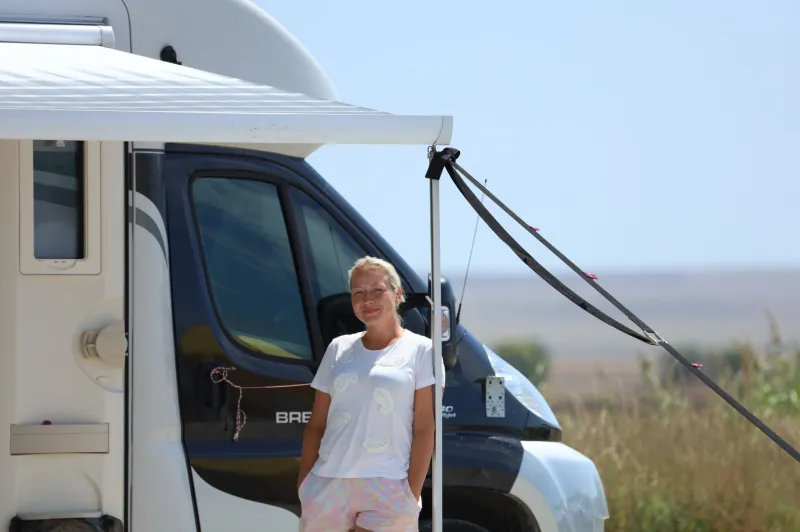
Let's be honest for a second. The idea of renting an RV and driving off into the sunset by yourself sounds incredible — until about 10 minutes later when your brain starts listing everything that could go wrong. What if you get lost? What if something breaks? What if it's lonely? What if you back that 28-footer into a tree?
Here's the thing: every single solo RV traveler has had those exact thoughts. And most of them will also tell you that the moment they pulled out of the rental lot alone for the first time, something shifted. The nerves didn't disappear — they just turned into something that felt a lot more like freedom.
Whether you're a woman traveling solo for the first time, a recently retired empty-nester craving some independence, or just someone who's tired of waiting for other people to get their schedules together, solo RV travel is more attainable than you think. You just need a solid plan and a realistic picture of what you're signing up for.
Start Smaller Than You Think You Should
The biggest mistake first-time solo RV renters make is going too big, too fast. A 10-day cross-country haul sounds amazing in theory. In reality, if you've never driven an RV before, spending your first solo night at a campground four states away is a recipe for a meltdown.
Instead, rent a smaller Class B or Class C motorhome for a long weekend. Pick a campground within two hours of home. Get comfortable with the vehicle, the hookups, the bathroom situation, and sleeping in a new space before you commit to anything longer. Think of it as a test drive for your future self.
Smaller also means easier to park, easier to maneuver, and — let's be real — a lot less terrifying when you're navigating a campground loop for the first time without a co-pilot.
Build Confidence Before You Leave the Driveway
Confidence on a solo trip isn't something you find on the road. You build it before you go.
Spend time with the rental vehicle before your departure day if possible. Walk through the walkthrough with the rental team and ask every single question, no matter how basic it feels. How do the leveling jacks work? What do you do if the water pump makes a weird noise? Where's the breaker panel?
Download a few RV-specific apps before you leave — apps like iOverlander, Campendium, or The Dyrt are gold for solo travelers because they include real user reviews about campground safety, cell service, and road conditions. Knowledge is the antidote to anxiety.
It also helps to do a dry run at home. If you can practice hooking up a water hose in your driveway, you'll feel a lot less flustered doing it at a packed campground on a Saturday afternoon.
Safety Strategies That Are Actually Practical
Solo travel safety gets a lot of dramatic coverage online, but the practical reality is pretty straightforward. A few habits go a long way.
Share your itinerary. Give someone at home — a friend, family member, or neighbor — your planned route, campground names, and a rough daily check-in schedule. You don't have to be rigid about it, but someone should know where you're supposed to be.
Trust your gut about campsites. If a spot feels off when you pull in, leave. No campsite is worth ignoring your instincts. Most established campgrounds, whether private or in a state or national park system, are extremely safe environments. But solo travelers — particularly women — should feel zero guilt about choosing well-lit, populated areas over remote dispersed camping until they're more experienced.
Invest in a door alarm and a good deadbolt latch. Most rental RVs have basic locks. A simple door alarm (under $20 on Amazon) adds a layer of peace of mind that makes a real difference when you're sleeping alone in a new place.
Keep your phone charged and your location shared. Apple's Find My or Google's location sharing with a trusted contact is a simple, low-effort safety net that costs nothing.
Loneliness Is Real — Here's How to Handle It
Nobody talks about this part enough: solo RV travel can get lonely, especially in the first day or two when the novelty hasn't quite kicked in yet. This is normal. It doesn't mean you made a mistake.
The good news is that RV campgrounds are surprisingly social places. Fellow campers are almost always friendly, and solo travelers often find it easier to connect with strangers than couples or groups do. Sitting outside your rig with a cup of coffee in the morning is practically an open invitation for conversation.
If you want to be more intentional about it, look into solo travel Facebook groups or RV-specific communities like Solo RV Women or Escapees RV Club. Many of these groups organize meetups and caravans, so you can have the independence of solo travel with built-in social touchpoints along the way.
FaceTime with people back home helps too — but try not to overdo it. Part of the magic of solo travel is sitting with yourself, even when it's a little uncomfortable.
Route Planning for One
Solo travel gives you something priceless: total control over your itinerary. Nobody to negotiate with. No compromises on where to stop or how long to stay.
That said, solo routes should be planned with a few extra considerations in mind. Avoid driving more than five or six hours in a single day, especially when you're new to RV travel. Fatigue hits differently when you're the only driver, and there's no one to tag in.
Build in buffer days. Things will take longer than expected — setting up camp, finding the right dump station, taking a spontaneous detour because you saw a sign for a roadside pie shop. That's not inefficiency. That's the whole point.
For your first trip, consider a loop route that starts and ends near the rental location. It removes the logistical stress of one-way travel and keeps things simple.
The Part Nobody Tells You
Here's what experienced solo RV travelers almost universally report: the nervousness before the trip is almost never matched by the reality of the trip itself. The thing you were most afraid of — whether it was driving the RV, being alone at night, or handling a problem without backup — usually turns out to be manageable. Sometimes even fun.
Solo RV travel has a way of showing you what you're actually capable of. You figure out the dump station. You back into the site on the third try and feel like a legend. You eat dinner alone watching the sun set over the desert and realize you're not lonely at all — you're just finally, genuinely present.
AnyTime RV Rental has a range of vehicle sizes and styles that work well for solo adventurers. From nimble Class B campervans that park practically anywhere to comfortable Class C motorhomes with everything you need for a week on the road, there's a rig that fits your trip — and your comfort level.
The road isn't waiting for you to feel completely ready. It's just waiting for you to go.