Picking Your Perfect RV: A No-Fluff Guide to Class A, B, and C Rentals
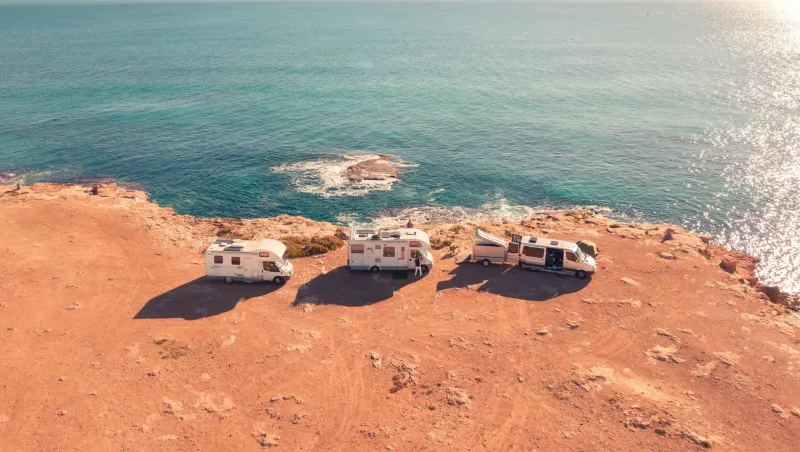
So you've decided to ditch the hotel points and hit the open road in an RV. Smart move. But then you start browsing rental options and suddenly you're staring at a wall of terms—Class A, Class B, Class C, motorhome, campervan, super C—and your enthusiasm takes a small hit.
Don't sweat it. The class system is actually pretty logical once someone explains it without trying to upsell you. Here's the real deal on what separates these rigs, and more importantly, which one fits your trip.
Class A: The Rolling Living Room
Think of a Class A as a full-sized bus that decided to become a home. These are the big boys—typically 26 to 45 feet long—and they look the part. Flat front, wide body, and a profile that makes other drivers scoot over on the highway.
Who it's for: Families of four or more, extended trips (two weeks or longer), travelers who genuinely want to feel comfortable rather than just mobile.
The good stuff: Class A rigs deliver serious living space. Full-size beds, residential-style kitchens with real ovens, and bathrooms you won't have to fold yourself in half to use. Many rentals include slide-outs—sections of the wall that extend outward when parked—which can double your floor space overnight.
The trade-offs: Fuel economy is the big one. A gas-powered Class A typically gets 7–10 mpg, and diesel pushers aren't dramatically better on cost once you factor in diesel prices. On a 3,000-mile road trip, that adds up fast. Driving one is also an adjustment. Parking at a regular campsite is manageable, but rolling into a city or a national park with tight roads? That takes confidence and planning.
Cost to rent: Generally the highest of the three classes, ranging from roughly $200 to $400+ per night depending on the model and season.
Class B: The Stealthy Road Warrior
Class B motorhomes—often called campervans—are built on a standard cargo van chassis (think Mercedes Sprinter or Ford Transit). They're compact, typically 18 to 24 feet long, and from the outside they look almost like a regular vehicle.
Who it's for: Couples, solo travelers, weekend warriors, or anyone who wants flexibility over square footage.
The good stuff: This is where Class B shines—versatility. You can park in a regular parking lot, navigate city streets without a second thought, and squeeze into campsite spots that would make a Class A driver weep. Fuel efficiency is dramatically better, often landing in the 18–25 mpg range. And many Class B vans are surprisingly well-designed inside, with fold-flat beds, compact wet baths, and small kitchenettes.
The trade-offs: Space. There's simply not a lot of it. If you're over six feet tall, cooking dinner might involve some creative crouching. Traveling with kids or more than two adults gets uncomfortable quickly. Storage is minimal, so packing light isn't optional—it's mandatory.
Cost to rent: Usually the most affordable option, often ranging from $100 to $200 per night, though luxury Sprinter builds can push higher.
Class C: The Goldilocks Rig
Class C motorhomes sit squarely between the other two—and for a lot of first-time renters, that middle ground is exactly where they belong. Built on a truck or van cutaway chassis, they're recognizable by the cab-over section (that bunk area that hangs over the driver's cab).
Who it's for: Small families, groups of three to five, first-timers who want real amenities without wrestling a bus down the highway.
The good stuff: You get a functional full bathroom, a proper kitchen with a stovetop and microwave, and enough sleeping space for a family without anyone drawing straws. The cab-over bunk is a kid favorite. Driving feel is closer to a large truck than a bus, which most people adapt to within a day. Many rental fleets are heavily stocked with Class C units, so availability and pricing tend to be competitive.
The trade-offs: They're not as fuel-efficient as a Class B (expect 10–14 mpg), and they're not as spacious as a Class A. The bathroom is functional but not luxurious. If you're used to hotel-style comfort, the Class C kitchen will require some creativity.
Cost to rent: Mid-range, typically $150 to $300 per night.
Quick Comparison: The Numbers at a Glance
| Feature | Class A | Class B | Class C |
|---|---|---|---|
| Length | 26–45 ft | 18–24 ft | 20–35 ft |
| Sleeps | 4–10 | 2–4 | 4–8 |
| Fuel Economy | 7–10 mpg | 18–25 mpg | 10–14 mpg |
| Ease of Driving | Challenging | Easy | Moderate |
| Kitchen/Bath | Full | Compact | Mid-size |
| Avg. Rental/Night | $200–$400+ | $100–$200 | $150–$300 |
Matching the Rig to Your Actual Trip
Here's the honest framework for making your decision:
Trip length matters a lot. A long weekend in a Class B is genuinely fun. Two weeks in one gets old. For extended trips, the extra living space of a Class C or A pays off in sanity.
Group size is non-negotiable. Don't try to fit four adults into a Class B. It sounds adventurous until night two.
Your route shapes everything. Heading to national parks in the Mountain West? Know that some park roads have strict length limits—Zion Canyon's scenic drive, for example, restricts private vehicles above a certain size. A Class B can go almost anywhere. A 40-foot Class A cannot.
Be honest about driving comfort. Most people can learn to drive a Class C within a few hours. A Class A takes longer to get comfortable with. If the idea of backing into a campsite in a 35-foot vehicle sounds terrifying, start smaller.
Budget beyond the nightly rate. Factor in fuel, campsite fees (larger rigs often pay more), and whether you'll need hookups. A Class A at a full-hookup site with 10 mpg fuel costs adds up to more than the sticker price suggests.
The Bottom Line
There's no objectively best RV class—only the right one for your specific trip. First-time renters who overthink it often default to the biggest rig available, assuming more space equals more fun. Sometimes it does. But plenty of road trippers discover that a nimble Class B gave them freedoms a Class A never could.
At AnyTime RV Rental, you can filter by class, sleeper capacity, and trip type to find something that actually fits your plans—not just something that looks impressive in photos. Browse what's available in your departure area, read the specs carefully, and when in doubt, go one size smaller than you think you need. You can always upgrade next trip once you know what you actually use.
The road's waiting. Pick your rig and go.